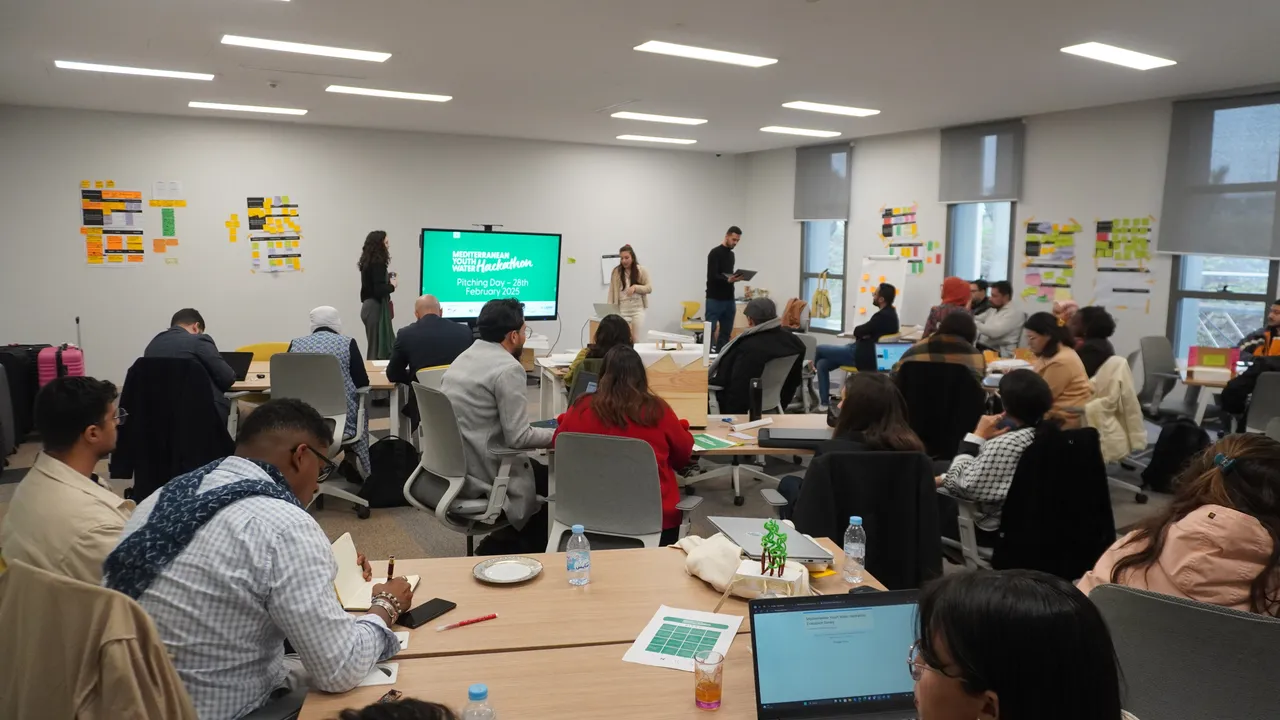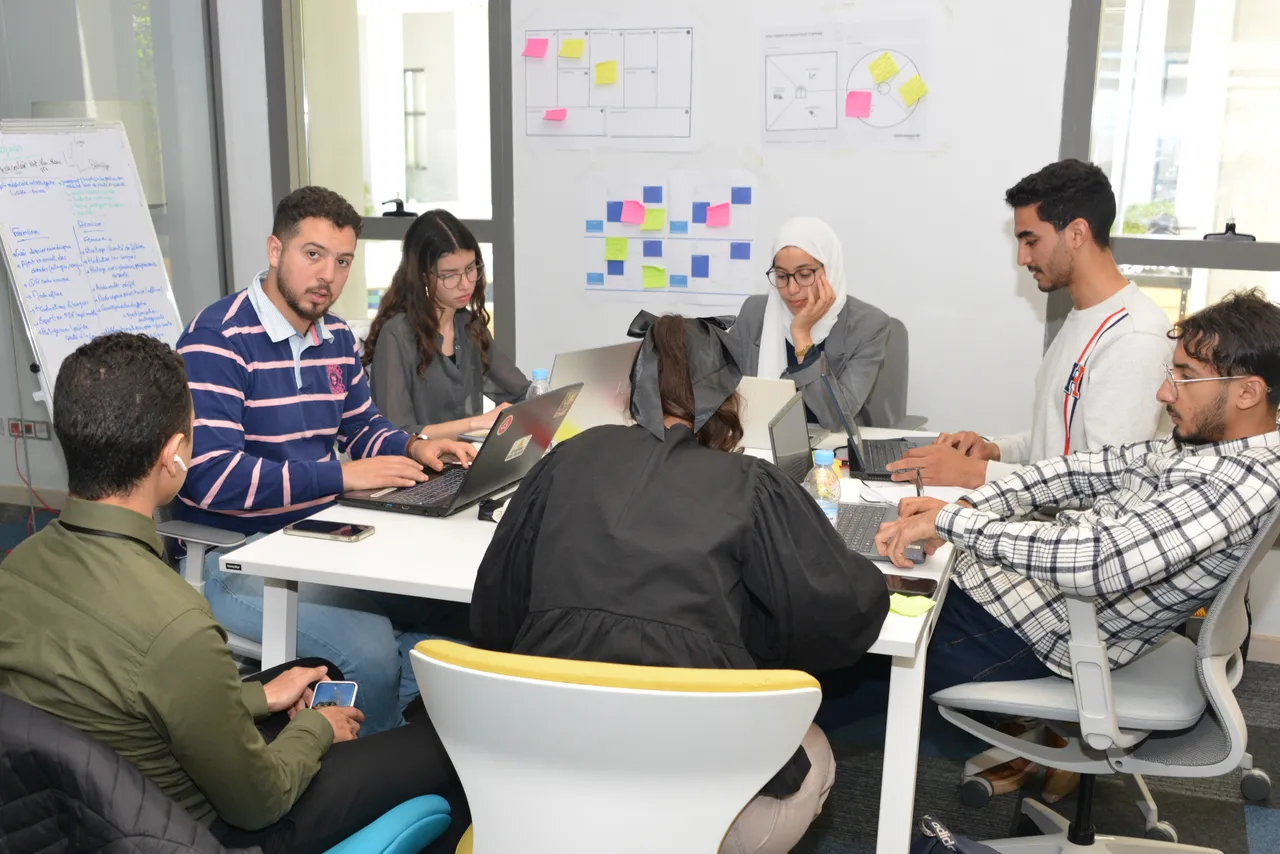
The Business Model Canvas is a simple tool: one page, 9 blocks, to describe how a project creates, delivers and captures value. It doesn’t replace a business plan, but it helps structure an idea before testing it — and it’s often the first thing you’ll be asked to present in a support program.
The Business Model Canvas in 9 blocks
Each block answers a specific question. Their position in the canvas isn’t arbitrary: customer segments and the value proposition sit at the center, with how you reach and monetize it laid out around them.
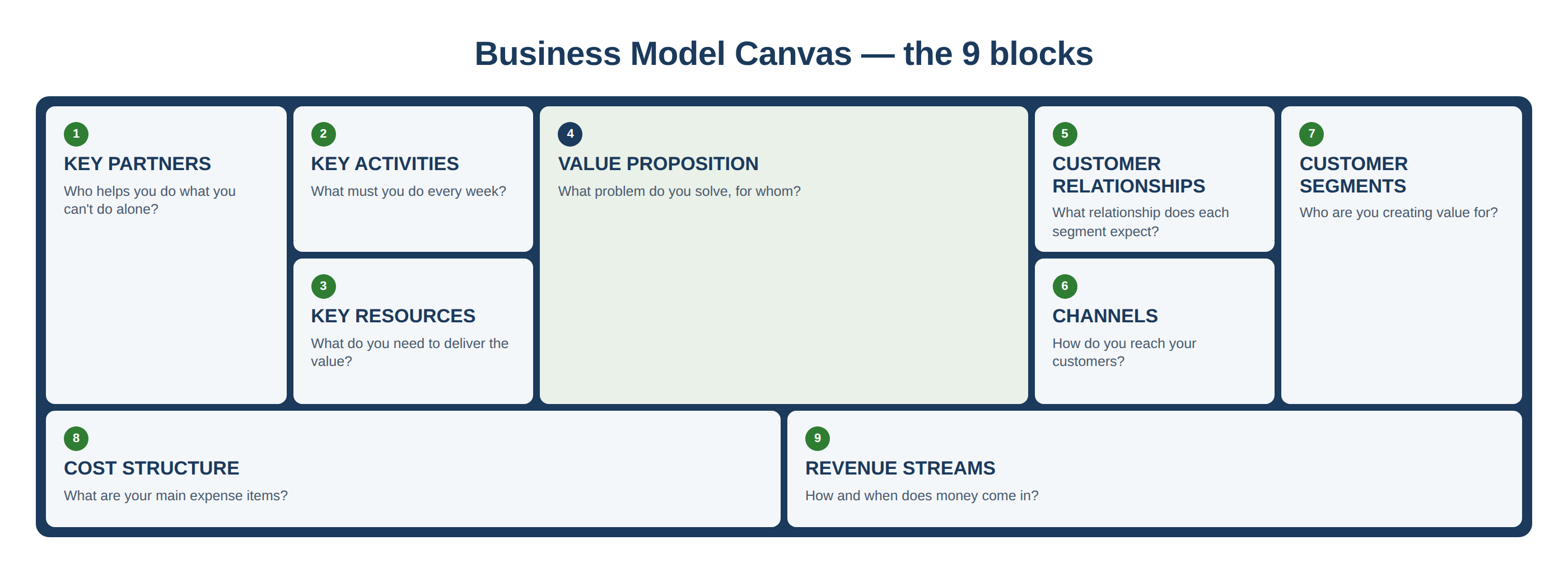
The table below details the most common pitfall for each block:
| Block | Common pitfall |
|---|---|
| Customer segments | Targeting “everyone” instead of a precise segment |
| Value proposition | Describing a feature instead of a benefit |
| Channels | Listing channels that have never been tested |
| Customer relationships | Confusing customer relationship with sales channel |
| Revenue streams | A single stream, with no backup plan |
| Key resources | Forgetting human or regulatory resources |
| Key activities | Confusing key activities with administrative tasks |
| Key partners | Listing no partners, or listing too many |
| Cost structure | Ignoring it until fundraising |
A filled-in example (fictional case)
Take an illustrative example, unrelated to any real project: an app connecting students offering tutoring with high schoolers in their city.
- Customer segments: high schoolers struggling with a specific subject; students looking for extra income.
- Value proposition: find an available tutor within 48h, nearby, at an affordable rate.
- Channels: mobile app, referrals through student associations.
- Customer relationships: self-service support for high schoolers, a peer-support community for tutors.
- Revenue streams: a commission on each booked session.
- Key resources: the technical platform, a base of verified tutors.
- Key activities: profile verification, matching, dispute handling.
- Key partners: student associations, partner schools.
- Cost structure: app development and maintenance, profile verification, customer support.
This example fits on one page. That’s precisely the point of the Canvas: it forces a synthesis before diving into detail.
Limits to keep in mind: the Business Model Canvas is a snapshot at a given moment, not proof of viability. Filling in the 9 boxes doesn’t mean the market exists, that customers will pay the stated price, or that real costs will match the estimate. It should be followed by field testing — customer interviews, a prototype, a pre-sale — before committing time or money.
Checklist to run it as a workshop
- Fill in the 9 blocks alone in 30 minutes, without debating them
- Identify the 2-3 boxes filled in by assumption rather than verified data
- Rephrase the value proposition in one sentence a non-specialist could understand
- Check that every listed channel has already been tested at least once, even informally
- Confront the Canvas with 5 people from the targeted customer segment
- Update the Canvas after each round of field feedback — the first draft is never final
After the Canvas
The Canvas structures an intuition, it doesn’t validate it. The next step is to confront each assumption with reality: talk to potential customers, test a minimal prototype, verify that someone is willing to pay. A pitch deck will later reuse the same blocks to present them to a jury or investors, once they rest on facts rather than assumptions.
Next step: explore the EIC programs for structured support, or read our guide on startup funding in Morocco to plan the next stage of your project.