Let’s clear up the confusion: these formats don’t serve the same purpose. And if you choose the wrong one, you lose time (and sometimes your motivation).
Definitions (very simple)
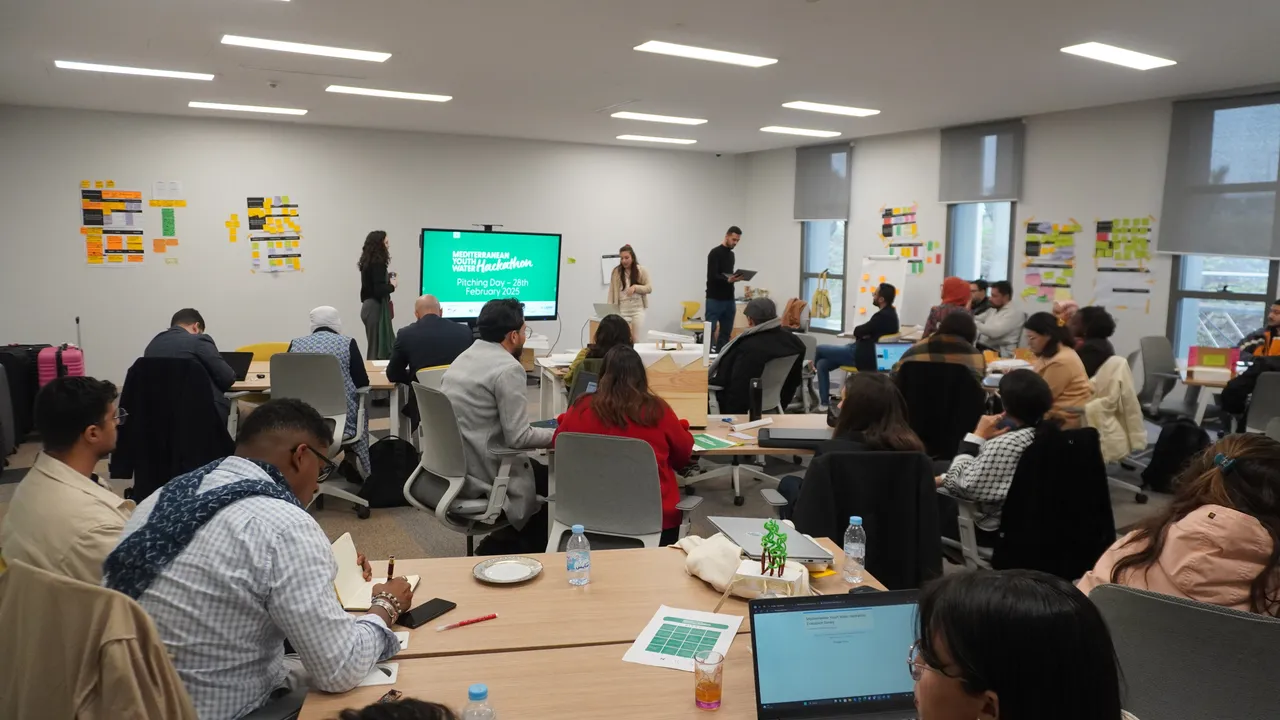
- Hackathon: intensive 24–48h work to generate ideas and produce a quick prototype. The energy of the group and the time constraint force creativity.
- Bootcamp: an intensive training course over a few weeks (theory + practice). You build up your skills on a specific topic.
- Incubation: structured support over several months (mentoring, network, tools) to turn an idea into a viable business.
A useful comparison
| Criterion | Hackathon | Bootcamp | Incubation |
|---|---|---|---|
| Duration | 24–72h | 2–8 weeks | 3–12 months |
| Goal | Idea + prototype | Skills + method | Business + market |
| Deliverable | Quick demo/MVP | Structured project | Operational startup |
| Required level | Beginners welcome | Beginner to intermediate | Existing project |
| Network | Peers, mentors for 48h | Trainers, peers | Long-term mentors, investors |
| Intensity | Very high (sprint) | High (training) | Moderate (marathon) |
In short: hackathon = energy accelerator. Bootcamp = skills accelerator. Incubation = structuring accelerator.
Choosing according to your stage
”I only have an idea”
Start with a bootcamp (method) + hackathon (prototype). The goal: structure your thinking and produce something tangible quickly. If you are still studying, the short format is also the one that fits a packed timetable — see balancing studies and building a startup.
”I have a prototype”
Head for incubation: you need to validate your business model, define your go-to-market, and find your first customers.
”I already have customers”
An accelerator (a short, intensive program) will be a better fit: focused on growth, optimization, and fundraising.
The classic trap: getting stuck in an endless loop of hackathons without ever moving on to structuring. A hackathon is a starting point, not a strategy.
Maximizing the outcome (the real secret)
The benefit of a program plays out afterwards, not during. Here’s what makes the difference:
Before the program
- Clarify your goal (1 sentence)
- Prepare your questions for the mentors
- Identify the people you want to meet
During the program
- Document everything (insights, contacts, feedback)
- Test your hypotheses, not your certainties
- Look for the “no’s” — they’re more useful than “great idea!”
After the program (the 7 critical days)
- Days 1-2: summarize what you learned (1 page max)
- Days 3-4: talk to 10 potential users
- Days 5-6: produce a short pitch deck (5-7 slides)
- Day 7: decide: continue, pivot, or stop
Conclusion
The right format depends on your stage, not on your ambition. A hackathon doesn’t replace incubation, and incubation doesn’t replace a market. Choose the format that moves you toward your next concrete deliverable.
Next step: place your project in the comparison above (stage → format → deliverable), then choose the right program or contact the EIC for guidance.