Why startups fail is not a mystery: the causes come back, year after year, in roughly the same proportions — no real market, an incomplete team, poorly managed cash flow. What changes from one founder to another is how fast they catch these signals. An incubation program doesn’t remove the risk of failure. It forces founders to face it earlier, with structure and support.
Why startups fail: the causes that keep coming back
Before talking about solutions, the causes need to be named precisely. Here are the ones that come up most often among founders at launch stage.
No customer who pays. The idea appeals to friends and family, but nobody has opened their wallet. The founder confuses polite interest with real need. This is the most common and most avoidable cause — it can be detected in weeks, not months, if you take the time to test it.
An incomplete team on a key skill. A founder alone on product, sales and finance ends up short-changing one of the three. Startups that hold up have almost always split these roles, even informally.
Poorly anticipated cash flow. It’s not the absence of money that kills a startup — it’s the absence of visibility on burn rate and on customer payment delays. A startup that’s profitable on paper can still die from a cash flow gap.
A blurry go-to-market. Building the product before knowing how to sell it, to whom, and through which channel. Development moves forward while the sales strategy stays a wish.
Over-engineering before validation. Adding features before confirming that the core feature solves a real problem. Time and money go into complexity, not into proof of value.
Founder isolation. A founder who only talks to close friends and family, or to other entrepreneurs in the same situation, loses access to a neutral outside view. Hard decisions (cutting a feature, changing target, ending a partnership) get made later — often too late.
These causes share a common trait: they’re almost never sudden. A lack of customers doesn’t appear overnight, and tight cash flow doesn’t happen from one day to the next. These are signals that build up over weeks, sometimes months, before becoming visible from outside the project. The founder, living it from the inside, tends to minimize them — out of optimism, fatigue, or simply because there’s nobody to name them out loud. That’s precisely the gap an outside structure is meant to close: not by removing the difficulty, but by making it visible earlier.
Cause, symptom, standard countermeasure
| Cause | Visible symptom | Standard countermeasure |
|---|---|---|
| No customer who pays | Plenty of positive feedback, zero sales | Test market need before building |
| Incomplete team | An exhausted founder, delayed decisions | Recruit or partner on the missing skill before scaling |
| Poorly anticipated cash flow | Growing revenue, cash flow tension | Monthly tracking of burn rate and payment delays |
| Blurry go-to-market | Product ready, no identified sales channel | Define the acquisition channel before development ends |
| Over-engineering | Loaded roadmap, few active users | Limit the MVP to what’s strictly needed to test the hypothesis |
How incubation reduces the risk
An incubation program doesn’t change the nature of entrepreneurial risk. It changes the context in which that risk is managed, on several concrete points. The difference isn’t about the skills a founder already has — it’s about how often they face an outside perspective and a deadline.
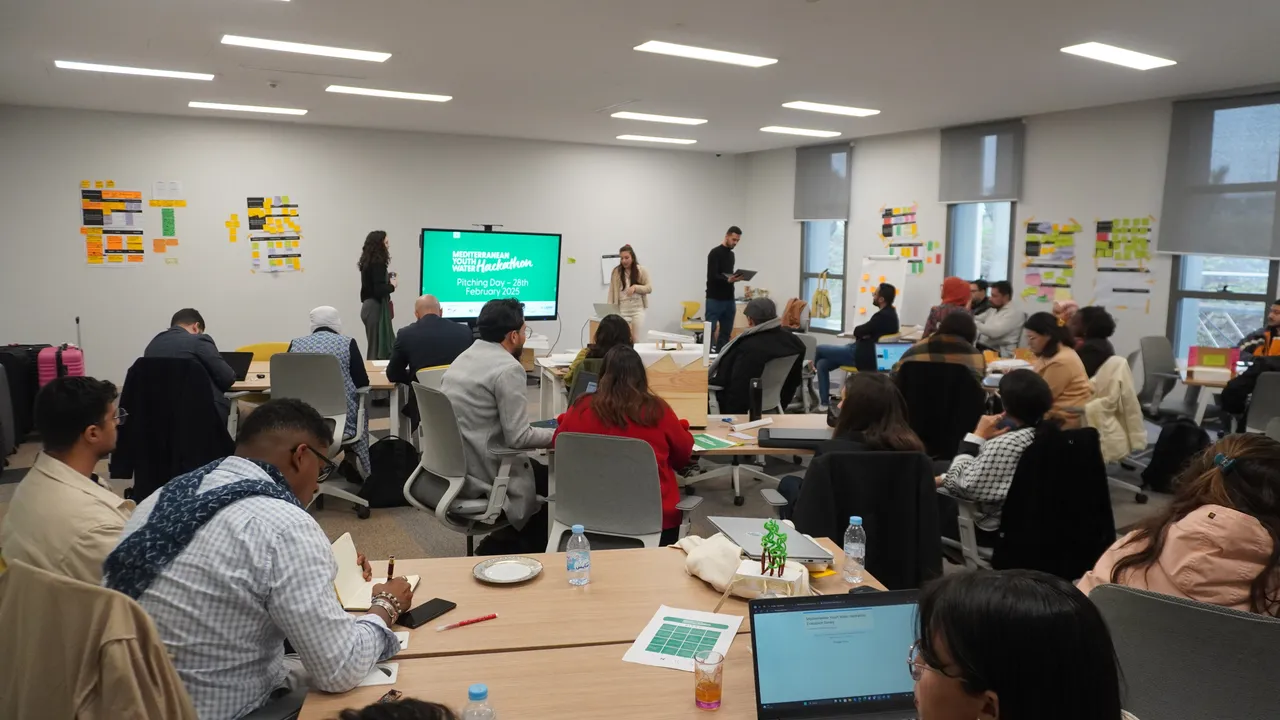
In practice, this connects to the role played by shorter formats too, like a hackathon or a bootcamp: they also impose a pace and a quick confrontation with reality. Incubation extends that same principle over a longer period, with individualized support.
Regular milestones. Without outside structure, it’s easy to delay hard decisions (pivoting, cutting a feature, changing your target). A program imposes checkpoints that force a decision.
Mentorship that challenges assumptions. A mentor outside the project asks the uncomfortable questions the founder’s circle avoids: “who is actually paying?”, “did you verify that, or assume it?”. This outside view often catches a blind spot before it becomes costly.
Network access. First test customers, technical partners, peers going through the same obstacles at the same time. This network shortens the time it would have taken to build alone.
Progressive structuring. Business model, legal status, first management tools — topics founders often postpone too long. A program’s pace puts them back on the agenda.
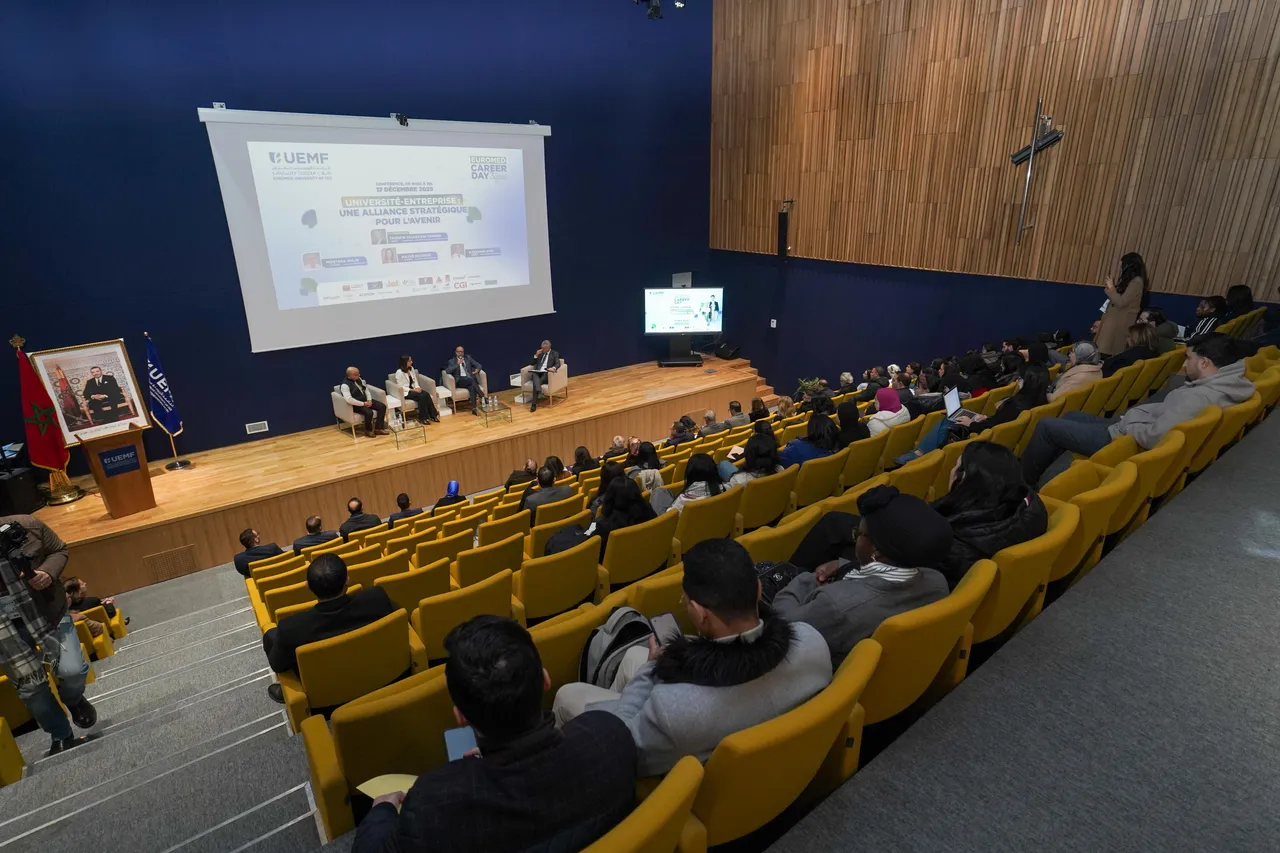
An incubator like the EIC works on this same principle: mentorship, program milestones and connecting founders with the regional ecosystem. To date, the EIC has supported 175 projects and seen 46 startups created across its various programs.
What incubation doesn’t do. It doesn’t create a market that doesn’t exist. It doesn’t guarantee any fundraising, any direct financing, or any date for success. It doesn’t replace the founder’s own decision: stay, pivot, or stop. For up-to-date application requirements and timelines for a program, check the /en/programs page rather than relying on outdated information.
Actionable checklist: your self-diagnosis before applying
Go through these seven points honestly, alone or with a peer. Each “no” isn’t a reason to give up — it’s a point to address before you stand in front of a selection panel or a first investor.
- Have I talked to at least 10 people in my target audience without “selling” the idea first, listening more than I talk?
- Has someone outside my close circle shown a concrete intent to buy (pre-order, letter of intent, written commitment)?
- Have I identified the skill missing most from my current team (technical, sales, finance)?
- Do I know my monthly cash burn rate, even roughly?
- Do I have an identified acquisition channel, not just a product?
- Does my MVP cover only what’s strictly needed to test the main hypothesis, or have I already added “just in case” features?
- Am I ready to document what I’m learning and share it with a mentor, rather than defend my certainties?
Conclusion
Startups don’t fail for lack of ambition. They fail from an accumulation of ignored signals: no customer, incomplete team, unmanaged cash flow. Incubation doesn’t remove these risks from the equation — it imposes the pace and the outside perspective needed to address them before they become fatal. The right hackathon, bootcamp or incubation format then depends on your stage.
The key takeaway: early detection matters more than the cause itself. A founder who spots a lack of traction in week 4 still has time to pivot. One who discovers it in month 8, once cash is already tight, has lost the room to maneuver to do it well. That detection time, more than any other factor, is what a structured program helps you gain.
Next step: check the /en/programs page for the EIC’s active programs and their up-to-date application requirements.