Talking about women’s entrepreneurship in Morocco isn’t talking about a marginal phenomenon or a box to tick on a grant application. It means talking about a set of concrete schemes — financial, academic, associative — that exist, with their real contributions and their limits. Here’s what they are, and how to use them.
Women’s entrepreneurship in Morocco: what the EIC numbers show
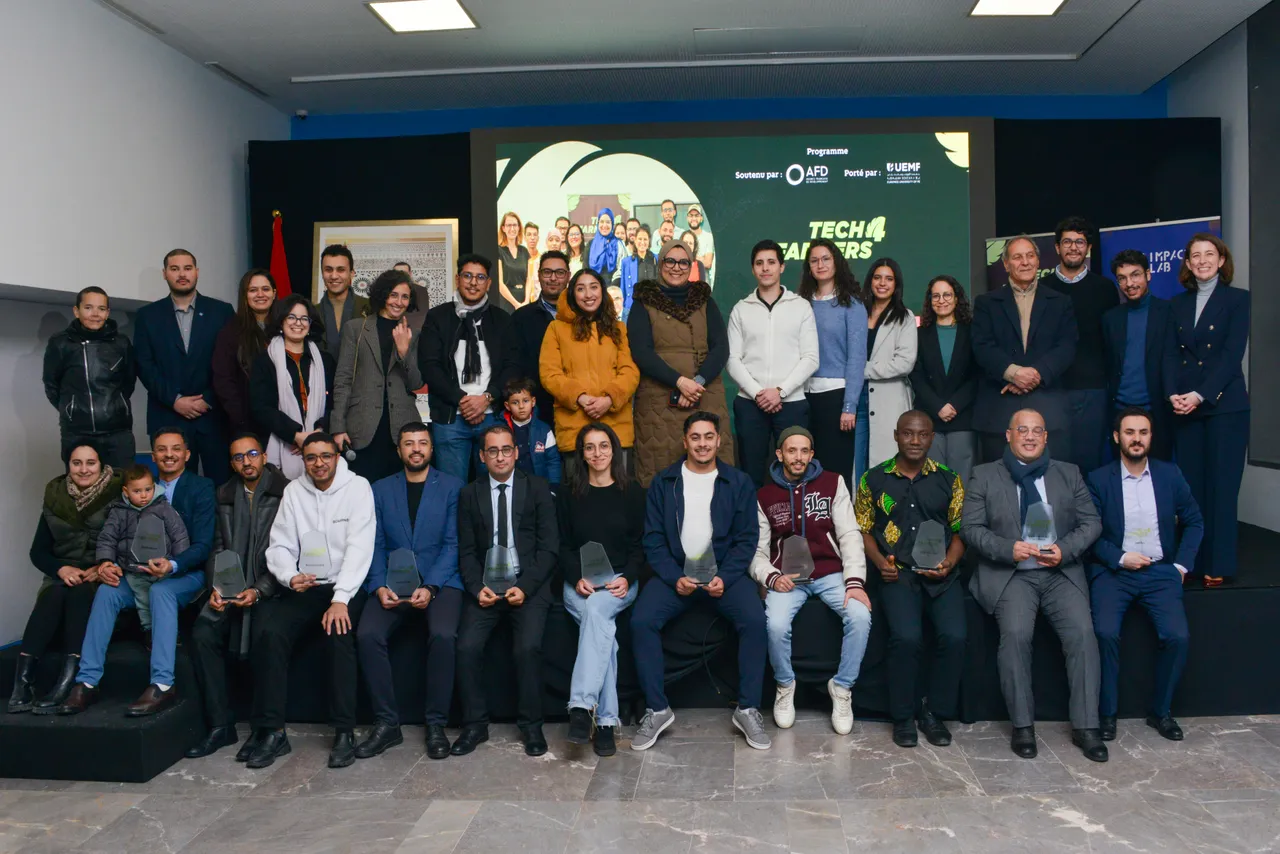
There is no single, stable national statistic on the share of women among business founders in Morocco — methodologies and scopes vary across sources. What is verifiable, however, is the data from our own ecosystem: 53% of the project holders supported by the EIC are women, out of a total of 175 projects supported.
This figure doesn’t say parity is achieved nationwide. It says that within a structured university incubator, with equal access to programs, women’s participation can reach — and exceed — parity. The gap is often set earlier: access to information, network, and confidence in one’s legitimacy to apply.
What this figure does not measure: the survival rate of the companies created, the average funding amount raised by gender, or the sector breakdown. The EIC does not have consolidated, verified data on these points — so we don’t publish any.
The support schemes that actually exist
There’s no magic list or single point of contact. Here are the main families of schemes, what they bring, and who they’re for.
| Type of scheme | What it brings | For whom | Where to find out more |
|---|---|---|---|
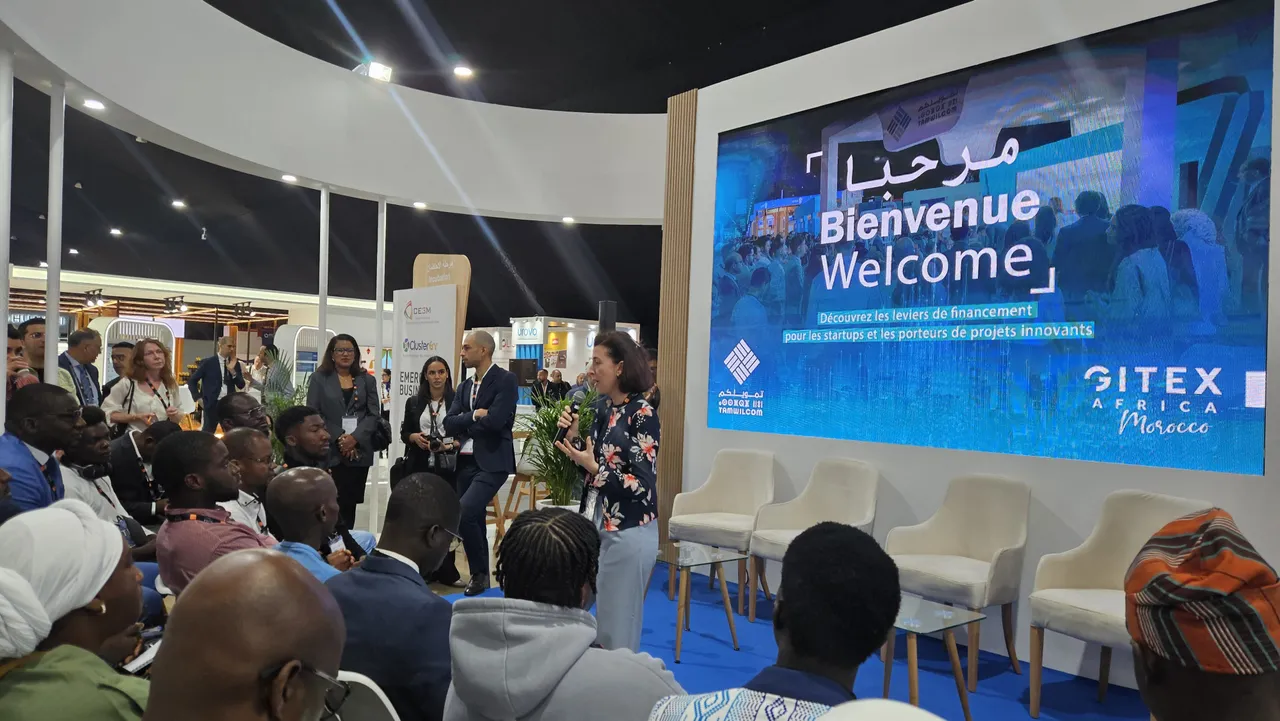
| Bank loan guarantee fund | Eases access to credit by reducing the risk perceived by the bank | Women with a completed bank loan file | Tamwilcom |
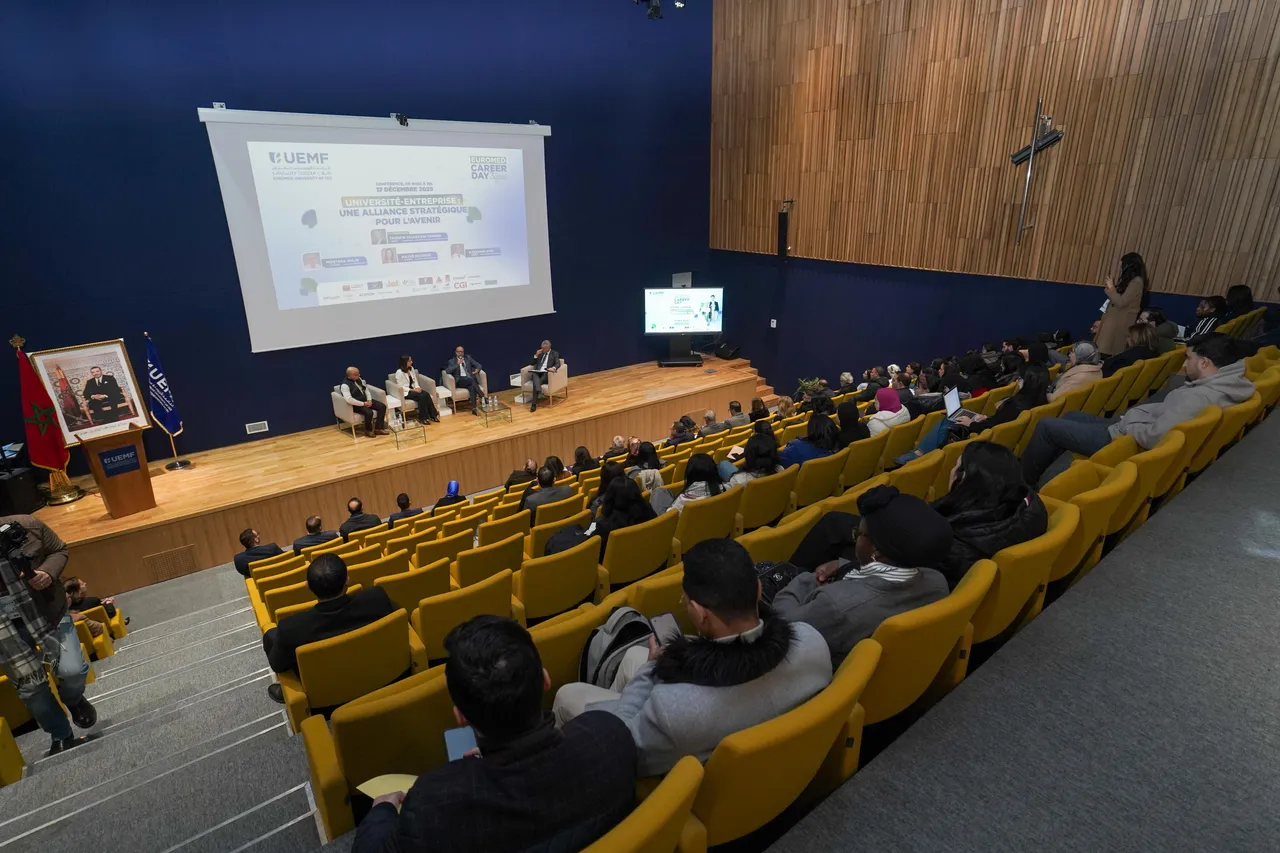
| Academic incubation | Mentoring, method, network, research valorization | Students, researchers, recent graduates | EIC (UEMF) |
| Women entrepreneur networks | Peer networking, visibility, shared experience | Women entrepreneurs, whether starting out or already active | Sector associations (e.g. AFEM) |
| Regional investment centers (CRI) | Registration formalities, local guidance, administrative information | Any business creation, regardless of gender | Your regional CRI desk |
A word of caution: the amounts, eligibility thresholds and conditions of these schemes change regularly. Never rely on a figure found in an article — including this one — without checking it directly with the relevant institution before building your application.
What these schemes don’t guarantee
Limits worth knowing before you start:
- A guarantee fund eases access to credit; it doesn’t replace a solid bank file or a realistic cash-flow plan.
- An incubation program brings method and network; it doesn’t guarantee commercial traction or fundraising.
- Being prioritized by a scheme doesn’t mean being automatically selected — selection often remains competitive.
- None of these schemes alone solves the time constraints tied to domestic workload, a barrier regularly mentioned by women entrepreneurs, which remains, for the most part, a matter of personal and family organization.
Concrete steps to get started
- Clarify the problem before the solution. A pitch that opens with “I want to build an app” without a clearly identified problem and audience convinces neither a mentor nor a funder.
- Test the idea with real users, before even registering a company. Ten qualitative pieces of feedback are worth more than a 40-page business plan.
- Identify the right support format for your project’s stage — idea, prototype or first customers. See the comparison of EIC programs to orient yourself.
- Join a peer network (mentoring, active women entrepreneurs) to break out of isolation, one of the barriers most often cited by project holders.
- Explore funding options suited to your project’s stage, without relying on an unconfirmed amount — see the Morocco startup funding guide for how to choose.
- Choose a legal structure with a professional advisor (accountant, CRI desk) rather than based on an online article — rules change, and a poor initial choice is costly to fix.
Checklist before applying to an incubation program:
- The problem being solved fits in one sentence, jargon-free
- At least 5 pieces of feedback from potential users have been collected
- The project’s stage (idea / prototype / market) is clearly identified
- The targeted scheme matches this stage — not the project’s ambition
- Eligibility conditions have been checked directly with the institution
Conclusion
Women’s entrepreneurship in Morocco isn’t short on schemes — it sometimes lacks visibility on which to choose, and when. The right question isn’t “does support exist for women?” but “which scheme matches my stage, today?”. The EIC numbers show that with equal access to programs, women’s participation can show up — the remaining challenge is turning that support into lasting companies.
Next step: discover the EIC programs open to all project holders, from ideation to incubation.