Morocco is undergoing a profound structural transformation of its entrepreneurial fabric. From university incubators to investment funds, by way of public initiatives and private players, a coherent ecosystem is taking shape — imperfect, but resolutely on the move.
The fundamentals: why Morocco attracts
Several geostrategic and economic factors make Morocco fertile ground for innovation:
- Geographic position: a crossroads between Europe, sub-Saharan Africa, and the Arab world
- Political stability: a predictable regulatory environment for foreign investors
- Human resources: a pool of young French-speaking graduates, with growing access to tech training
- Digital infrastructure: national plans to develop broadband and AI
- Domestic market: 37 million inhabitants, a growing middle class, mobile penetration rate > 80%
The country also positions itself as a gateway to French-speaking Africa, which attracts startups looking to test a model before continental expansion.
The structuring players of the ecosystem
Incubators and accelerators
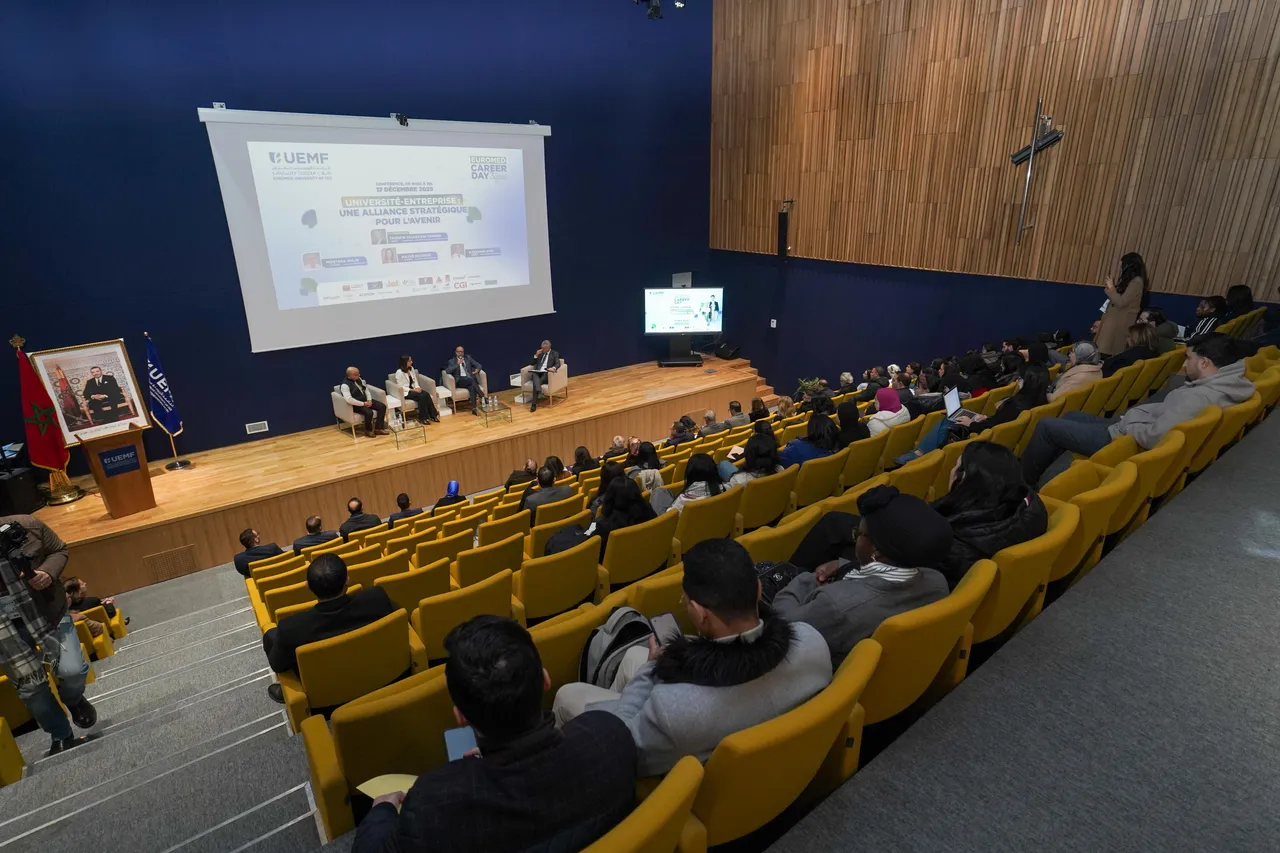
Moroccan universities play a pivotal role through their innovation centers. Among the most active players:
| Player | Profile | Specialty |
|---|---|---|
| Euromed Innovation Center (EIC) | University — UEMF Fès | Ideation, incubation, research |
| UM6P Ventures | Corporate — OCP Group | DeepTech, AgriTech |
| Technopark | National | Scale-up, international |
| Bidaya | Nonprofit sector | Social impact |
The role of the EIC
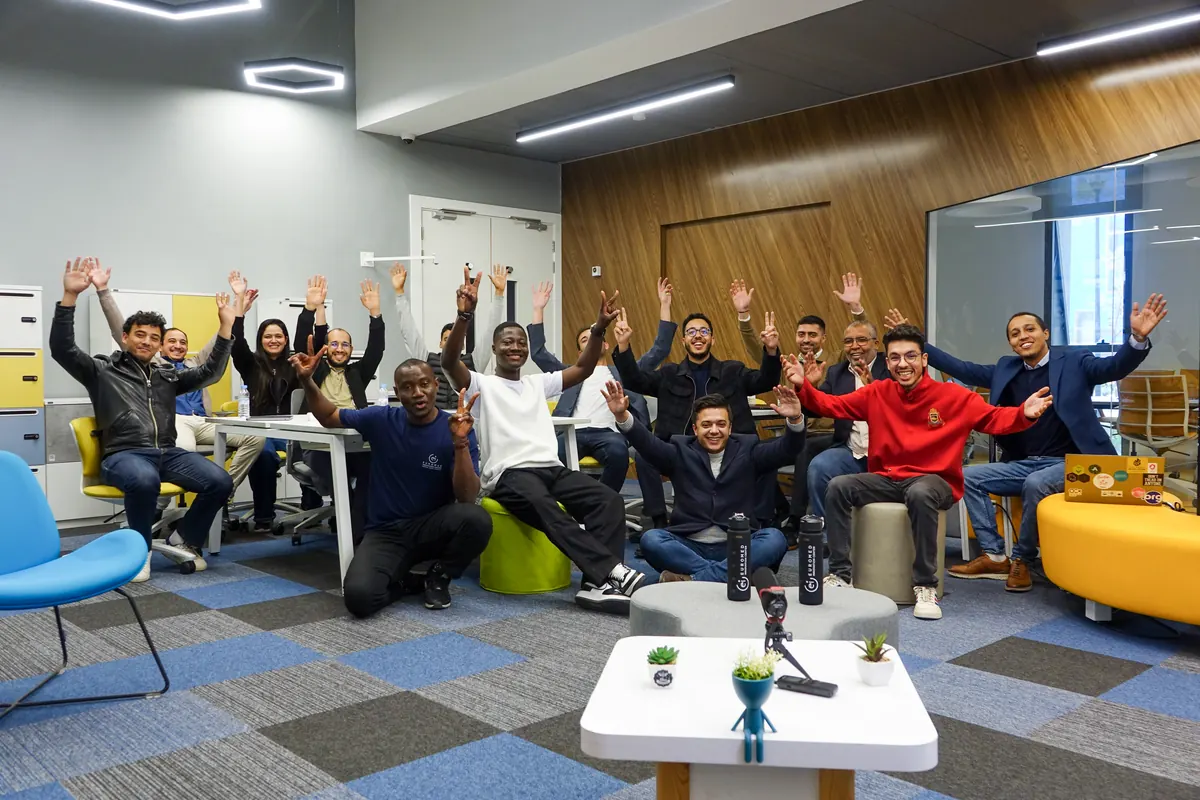
The Euromed Innovation Center, the incubator of the Euro-Mediterranean University of Fès, supports project leaders from ideation to market through structured programs:
“Our model rests on a triple helix — university, business, institutions — to create an environment where research is transformed into economic value.” — EIC Management
To date, the EIC has supported 175 projects, with 46 startups founded and a remarkable female participation rate of 53%.
Funders: a market that is structuring itself
Financing remains the main bottleneck of the ecosystem. But the picture is changing:
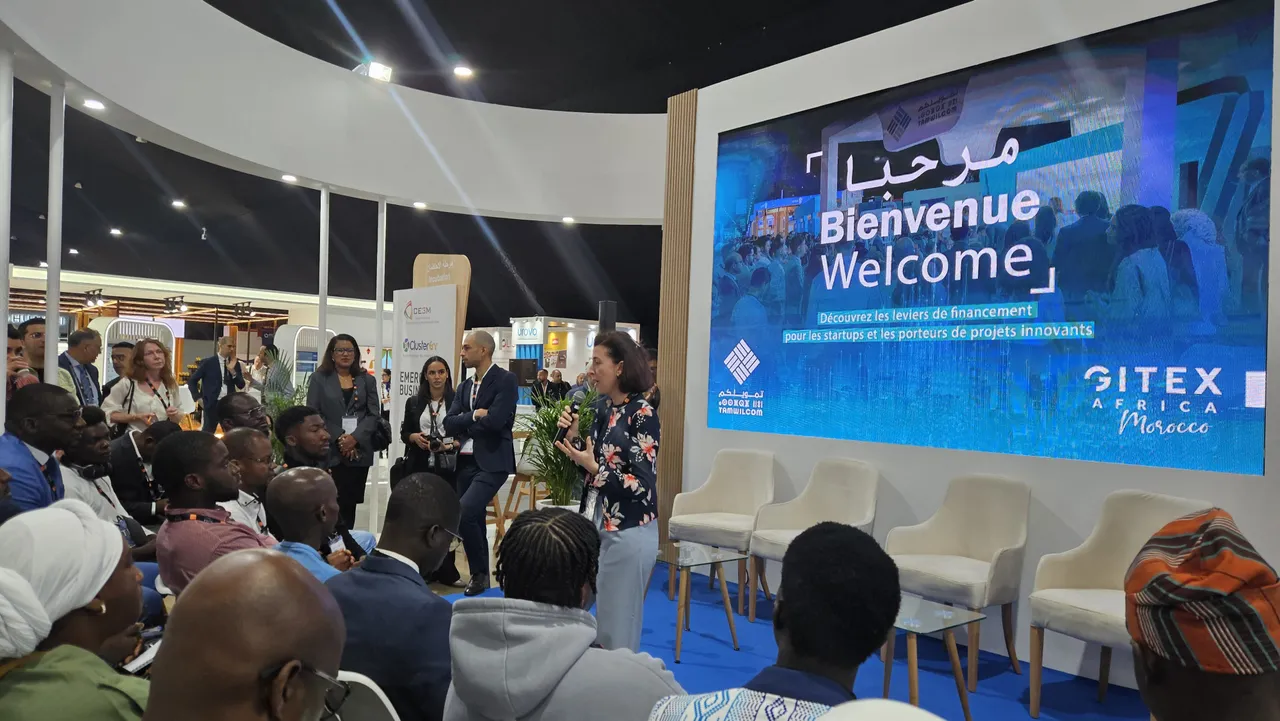
- Tamwilcom (formerly CCG) accredits incubators and offers guarantees to incubated startups
- Maroc Numeric Fund II co-invests with private funds at the seed stage
- CDG Invest takes stakes at the growth stage
- The UM6P Ventures seed fund targets DeepTech startups emerging from research
- Business angels: a still-emerging but increasingly active community through networks such as AMIC
High-potential sectors
AgriTech — Immense potential
Agriculture accounts for 12% of GDP and employs 40% of the working population. The needs for digitalization are considerable:
- Irrigation management in the face of water stress
- Traceability of value chains (fruit, vegetables, EU exports)
- Inclusive agricultural financing (rural fintech)
Startups such as Agriboost or OmniAg are paving the way for precision agriculture adapted to the Moroccan context. University programs like Tech4Farmers support this momentum by incubating AgriTech projects from prototype to market.
HealthTech — Accelerated by the pandemic
The Covid-19 crisis highlighted the acute needs of the healthcare system:
- Telemedicine and access to care in rural areas
- Digital hospital management
- AI-assisted diagnosis (radiology, dermatology)
The Basic Medical Coverage (CMB) scheme, universalized since 2022, creates a market of several million newly insured people to be equipped digitally.
EdTech — Youth as the driver
With 60% of the population under 30, the EdTech market is structurally promising:
- Short professional training programs (coding bootcamps, languages)
- Educational content adapted to national curricula
- Preparation for international competitive exams and certifications
Persistent challenges
It would be naive to paint an idyllic picture. The ecosystem suffers from several structural frictions:
1. Seed financing remains insufficient
The average investment ticket in Morocco remains low compared to markets such as Côte d’Ivoire or Senegal, which are better covered by pan-African VCs.
2. Entrepreneurial regulation lags behind
Simplified business creation exists in theory (the auto-entrepreneur status), but procedures remain slow and social charges discouraging in the early years.
3. The gap between research and the market
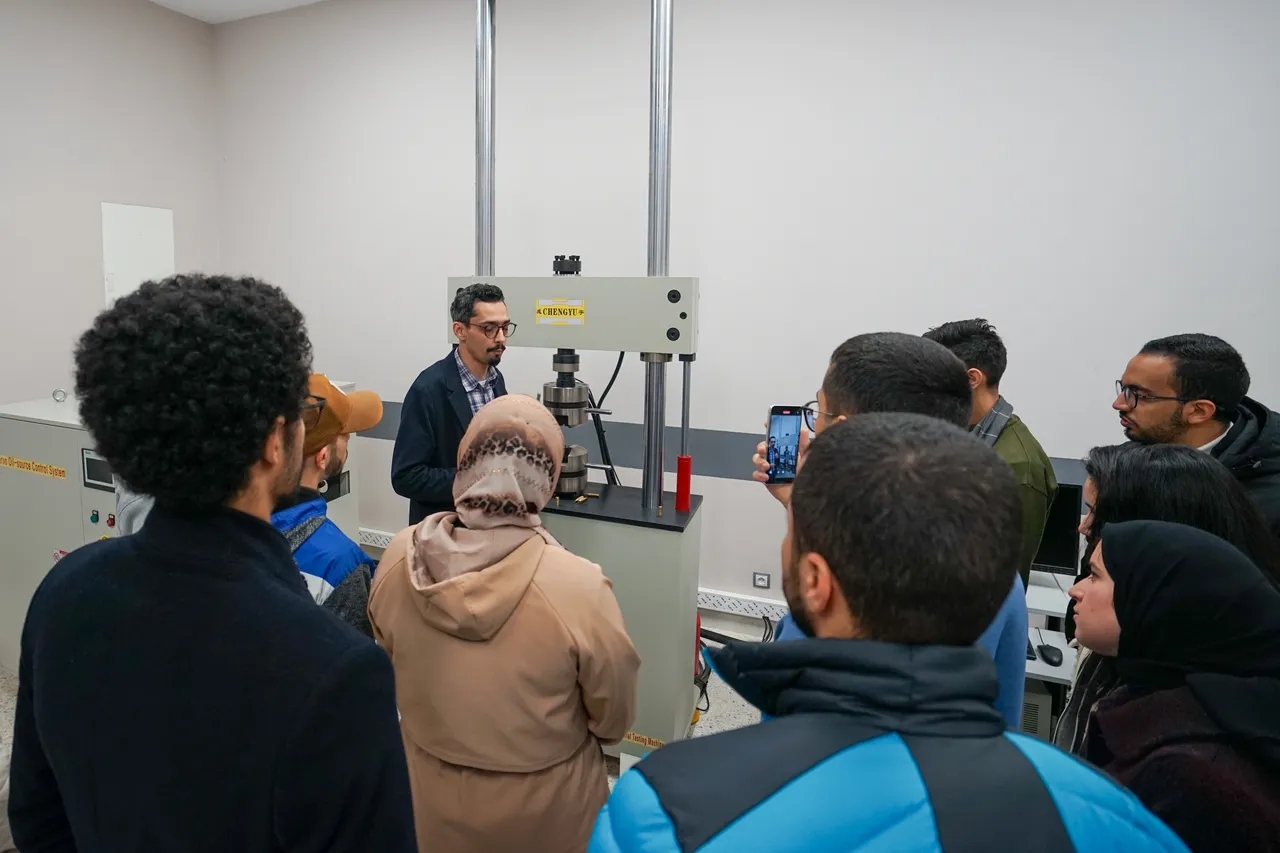
Moroccan universities publish research of increasing quality, but technology transfer toward commercial applications remains limited — a problem that structures such as the EIC seek precisely to solve.
4. Access to international markets
Too few Moroccan startups think global from the outset. The domestic market, although solid, is not enough to finance ambitious growth trajectories.
Major trends in 2025
Artificial intelligence: from hype to application
Generative AI is disrupting every sector. In Morocco, the opportunities are particularly promising in:
- Machine translation (Darija, Amazigh, Arabic, French)
- Multichannel customer service in local languages
- Optimization of industrial processes (textiles, agri-food, phosphates)
Energy transition: a $52 billion market
The Plan Maroc Vert and the target of 52% renewable energy by 2030 open up an enormous market for CleanTech startups: energy storage, building energy efficiency, electric mobility.
The diaspora as a strategic asset
The roughly 5 million Moroccans living abroad represent a pool of skills, capital, and networks. Initiatives such as MRE Invest aim to channel this contribution toward the productive economy.
Outlook 2026–2028
The horizon is clearing. Several catalysts could accelerate the momentum:
- 2030 World Cup: massive investments in infrastructure, smart cities, digital tourism
- National AI strategy announced for 2024–2030: USD 1.2 billion in public and private investment
- Tanger Med free zone: a logistics hub and industrial park for industrial startups
- A strengthened research ecosystem: new research universities, academic joint ventures with European partners
Morocco’s ecosystem is no longer in its infancy, but it has not yet reached maturity. It is precisely this window — between emergence and consolidation — that holds the best opportunities for the entrepreneurs who commit to it today.
The Euromed Innovation Center supports this momentum from Fès, with the conviction that valorizing university research and supporting young innovators are the most sustainable levers of sovereign economic development.