Finding a co-founder isn’t a networking problem, it’s a method problem. Most Moroccan project owners who partner up too quickly — with the first available classmate, or with a friend because “we get along” — discover the incompatibility at the worst possible time: once the project starts producing real decisions, real disagreements and real money. Here’s how to search for, evaluate and formalize a co-founder partnership without repeating those mistakes.
Why finding a co-founder shouldn’t be decided under pressure
A co-founder isn’t a colleague you can easily replace: they’re a partner who shares the equity, the decisions and often the legal liability of the project for years. Partnering under pressure — because an incubation program requires a team, because a hackathon imposes a pair format, or simply out of fear of carrying the project alone — produces fragile partnerships that crack at the first serious disagreement.
The right time to start looking for a co-founder isn’t when the need becomes urgent, but as soon as the project outgrows a personal intuition and requires a skill you don’t have.
Where to find a co-founder in Morocco
Chance encounters rarely produce good partnerships. The following settings let you observe how someone works before committing, which matters more than personal rapport:
- Hackathons and bootcamps: a short format that reveals how someone works under time pressure — more reliable information than an interview.
- University incubation programs and entrepreneurship clubs, where complementary profiles (engineering, business, design) rarely combined in a single curriculum cross paths.
- Alumni communities and events organized by innovation ecosystems, where you meet people already filtered by a first level of commitment (having taken the time to show up, apply, contribute).
- Your extended professional circle: a former colleague or someone you met during an internship, whose seriousness you’ve already observed in a real work context.
Professional social networks can complement this search, but they never replace a concrete test before committing.
The compatibility criteria to check before partnering
A good co-founder isn’t the most brilliant person you come across: it’s the one with whom joint work holds up, over time, under pressure. The table below summarizes the criteria that actually matter.
| Criterion | Question to settle | Warning sign |
|---|---|---|
| Skill complementarity | Does their expertise cover a real gap in the project (technical, commercial, operational)? | Two near-identical profiles stepping on each other’s toes |
| Commitment level | Are you aligned on the time and risk each of you is willing to invest? | One talks about “testing it on the side,” the other about “going all in” |
| Conflict handling | How do they react to a decision they disagree with? | Systematic avoidance or power struggles instead of discussion |
| Attitude toward money | Have you openly discussed compensation, personal contribution and equity split? | The topic keeps getting pushed to “later, we’ll figure it out” |
| Decision horizon | Do you share the same time horizon (3 years, 10 years) for the project? | One wants a quick exit, the other a life project |
| Shared work experience | Have you already run a project together, even a small one, before partnering? | First collaboration happens directly on the heaviest commitment |
The most commonly neglected criterion is shared work experience. Strong personal rapport predicts almost nothing about the ability to co-manage a company under pressure — only a shared project, even a modest one, reveals it.
The mistakes that cost the most later
- Splitting equity 50/50 by default, without discussing roles or actual contributions, to “avoid the awkward topic.” The imbalance almost always resurfaces, but later and under worse conditions.
- Writing nothing down. A verbal agreement on the split, the roles and the exit terms protects no one once a disagreement arises.
- Partnering with a friend without having worked together. Friendship and a professional partnership follow different logics; confusing the two often weakens both.
- Avoiding the conversation about leaving. What happens if one of you wants to stop after six months? Not answering that before partnering is the worst way to discover it in the middle of a conflict.
- Choosing by default. Partnering with the first available person to avoid carrying the project alone answers a fear, not an actual need of the project.
What this article doesn’t cover. The precise clauses of a founders’ agreement — exact equity split, vesting mechanisms, exit clauses, applicable tax treatment — depend on the legal structure chosen and change with regulation. This article gives decision criteria, not a contract template: have your agreement drafted or reviewed by a business law professional before signing. See our guide on choosing a legal structure for the logical next step.
The founders’ agreement: what it must cover, not how much it must set
Before even discussing percentages, a founders’ agreement must answer questions of principle that you can settle without an accountant:
- Who decides what: do certain decisions (hiring, major spending, strategic pivot) require unanimous agreement, or can one signature suffice?
- What happens if someone leaves: is held equity immediately vested, or does it build up progressively with time spent on the project?
- How is a blocking disagreement resolved: who do you turn to before considering a split — a mentor, a mediator, an arbitration clause?
- Who owns the intellectual property: does code, a brand, or a method developed jointly belong to the company from the moment it’s created?
These four questions, discussed before the first line of code or the first customer, prevent most conflicts between co-founders. The precise amounts and mechanisms come next, with legal advice suited to your legal structure.
Test it before committing fully
The best way to validate a co-founder partnership isn’t a long conversation, but a short, concrete joint project: a 48-hour hackathon, a one-month mini-project, a joint application to an incubation program. This test reveals in a few weeks what years of friendship don’t always reveal: how someone works under pressure, absorbs a setback, and shares an unequal workload without resentment.
If the test fails, that’s useful information acquired at low cost — far cheaper than a partnership breaking down after twelve months of joint commitment. An incomplete or mismatched team remains one of the most documented causes of startup failure, well ahead of a lack of idea or funding.
A reference point specific to Morocco’s university ecosystem
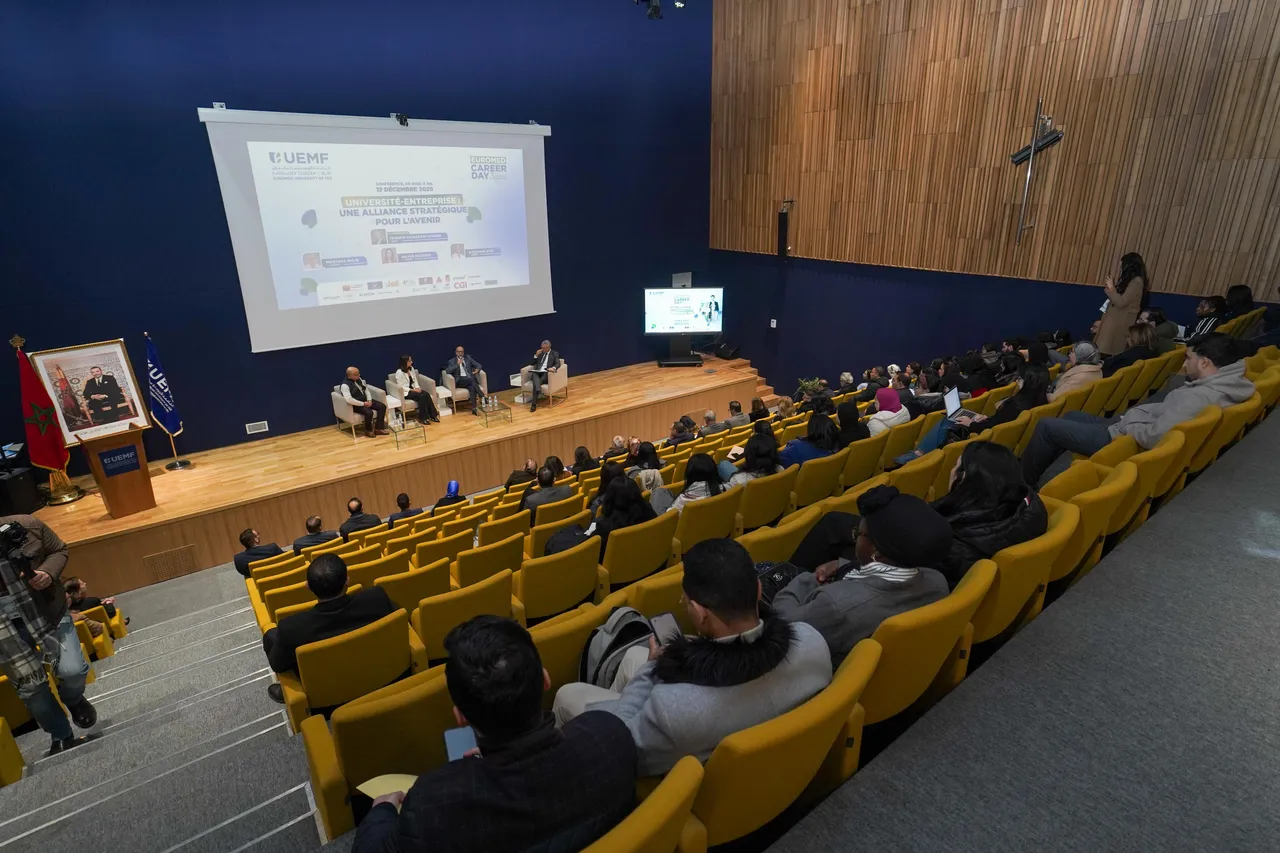
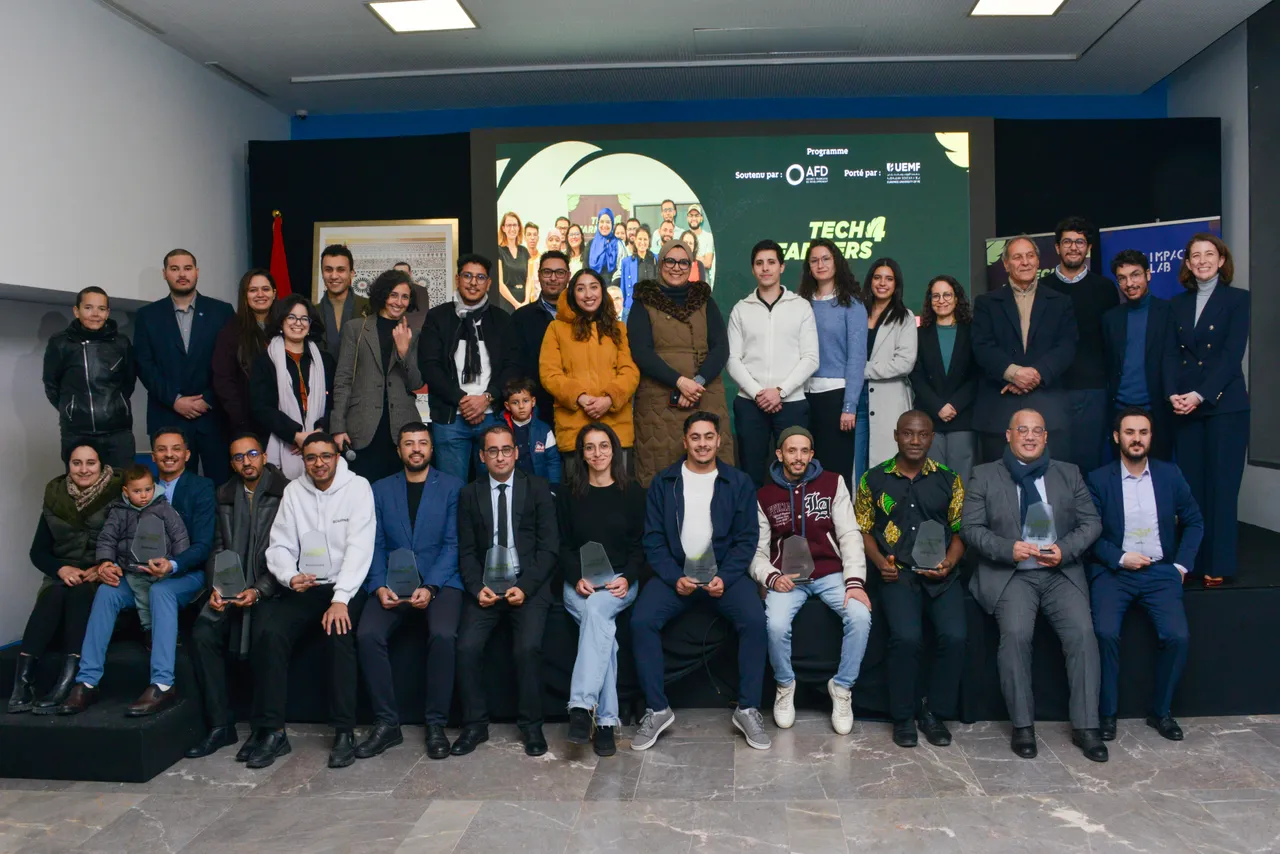
For a student or a young researcher in Morocco, the co-founder question often arises in a particular context: curricula that remain siloed (engineering, business, design rarely mixed), and a professional network still limited early on. University support programs play a structuring role here: the EIC has, to date, supported 175 projects, often carried by teams formed precisely during a hackathon or a bootcamp rather than recruited afterward. Joining a program or a support event before having a complete team isn’t premature, then: it’s often the ground where that team forms. Once the team is in place, structuring the first months with a mentor becomes the next task.
Checklist before partnering with a co-founder
- I have run at least one concrete project with this person before partnering.
- We have openly discussed compensation, personal contribution and equity split.
- We are aligned on the time horizon and risk level each of us accepts.
- We have defined, in writing, who decides what, even in broad terms.
- We have discussed the scenario of someone leaving before it becomes a conflict.
- A legal professional will be consulted before signing a final founders’ agreement.
Conclusion
Finding a co-founder is won less in the search than in the evaluation: the right person isn’t the one who impresses in an interview, but the one with whom a test project, even a modest one, went well. Compatibility criteria, testing before committing, and a clear founders’ agreement from the start weigh more, over time, than the enthusiasm of the first conversation.
Next step: before partnering, run a few-week test project with your future co-founder, then check the EIC programs to structure your team from the start of incubation.